
Effective Foot and Ankle Care Tips
Taking care of your feet is essential for your overall well-being. These parts of your body carry you through every step of your day. Neglecting them can lead to pain, discomfort, and mobility issues. We want to share practical, easy-to-follow foot care tips that can help you maintain strong, healthy feet and ankles. Whether you are active or spend most of your time on your feet, these tips will guide you toward better foot health.
Essential Foot Care Tips You Can Start Today
Good foot care begins with simple daily habits. Here are some straightforward tips to keep your feet in top shape:
Wash your feet daily with warm water and mild soap. This removes dirt and bacteria that can cause infections.
Dry your feet thoroughly, especially between the toes. Moisture can lead to fungal infections like athlete’s foot.
Moisturize your feet to prevent dry, cracked skin. Use a foot cream or lotion, but avoid the areas between your toes to reduce the risk of fungal growth.
Trim your toenails straight across to avoid ingrown nails. Use clean nail clippers and avoid cutting too short.
Wear clean, dry socks every day. Choose socks made of breathable materials like cotton or moisture-wicking fabrics.
Choose the right shoes that fit well and provide good support. Avoid shoes that are too tight or too loose.
Rotate your shoes to allow them to air out and reduce moisture buildup.
Inspect your feet regularly for cuts, blisters, redness, or swelling. Early detection of problems can prevent complications.
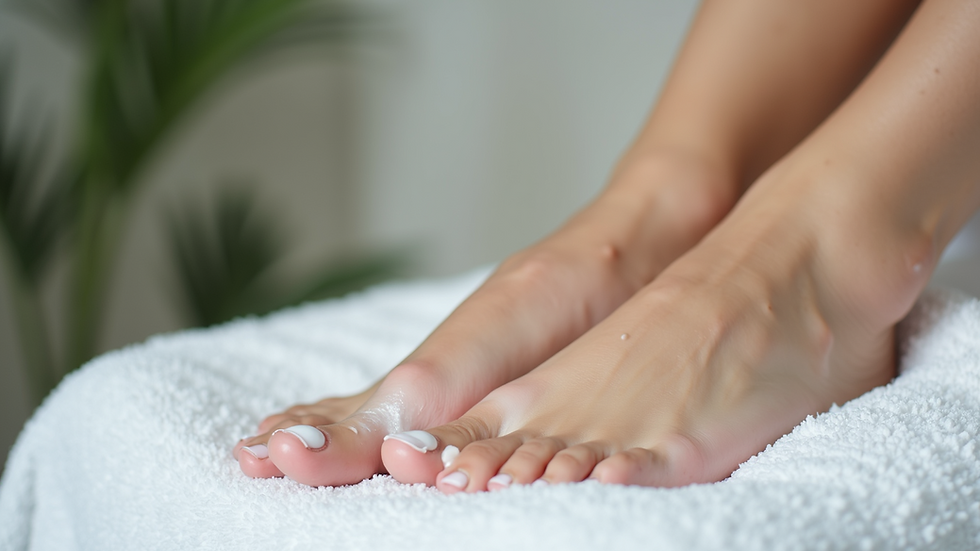
These habits form the foundation of healthy feet. They are easy to incorporate into your daily routine and can prevent many common foot problems.
How to Choose Shoes That Support Your Feet
Wearing the right shoes is one of the most important steps in foot care. Poorly fitting shoes can cause pain, blisters, bunions, and other issues. Here’s how to pick shoes that protect your feet:
Measure your feet regularly. Your foot size can change over time. Measure both feet and buy shoes that fit the larger foot.
Look for shoes with good arch support. This helps distribute your weight evenly and reduces strain on your feet.
Check the toe box. It should be wide enough to allow your toes to move freely without squeezing.
Choose shoes with cushioned soles. This absorbs shock and reduces pressure on your heels and balls of your feet.
Avoid high heels and narrow shoes for everyday wear. They can cause long-term damage to your feet and ankles.
Test the shoes by walking in them. Make sure they feel comfortable and stable.

What Can You Do for Foot and Ankle Pain?
Foot and ankle pain can come from many causes, including injury, overuse, or underlying medical conditions. When you experience pain, it’s important to take action early. Here are some steps you can take:
Rest and elevate your foot. Avoid putting weight on the painful area and keep your foot raised to reduce swelling.
Apply ice packs for 15-20 minutes every few hours during the first 48 hours after an injury.
Use over-the-counter pain relievers like ibuprofen or acetaminophen to manage pain and inflammation.
Wear supportive shoes or braces to stabilize your foot and ankle.
Stretch and strengthen your feet and ankles with gentle exercises once the pain starts to improve.
Avoid activities that worsen the pain until you have healed.
If the pain persists for more than a few weeks, worsens, or is accompanied by severe swelling, redness, or difficulty walking, seek professional care. Early diagnosis and treatment can prevent complications.

How to Prevent Common Foot Problems
Many foot problems are preventable with the right care and attention. Here are some common issues and how to avoid them:
Blisters: Wear properly fitting shoes and moisture-wicking socks. Use protective pads on areas prone to friction.
Corns and calluses: Avoid tight shoes and use pumice stones gently to remove thickened skin.
Plantar fasciitis: Stretch your calves and feet regularly. Wear shoes with good arch support and avoid walking barefoot on hard surfaces.
Ingrown toenails: Trim nails straight across and avoid cutting too short.
Fungal infections: Keep feet dry and clean. Change socks daily and avoid walking barefoot in public places like pools or locker rooms.
Regular foot checks can help you spot problems early. If you notice persistent pain, changes in skin color, or wounds that do not heal, consult a specialist.
When to Seek Professional Foot and Ankle Care
Sometimes, home care is not enough. You may need expert help if you experience:
Severe or persistent pain
Swelling that does not improve
Open wounds or ulcers
Signs of infection such as redness, warmth, or pus
Difficulty walking or bearing weight
Deformities or changes in foot shape
Visiting a podiatrist ensures you get personalized treatment. They can diagnose conditions accurately and offer advanced therapies. For those in Western Massachusetts, East Point Foot & Ankle provides top-notch care with a personal touch. They use the latest technology to help you recover and maintain healthy feet.
Taking care of your feet and ankles is an ongoing process. By following these tips and knowing when to seek help, you can enjoy pain-free movement and better quality of life. Your feet carry you every day - treat them with the care they deserve.



Comments